
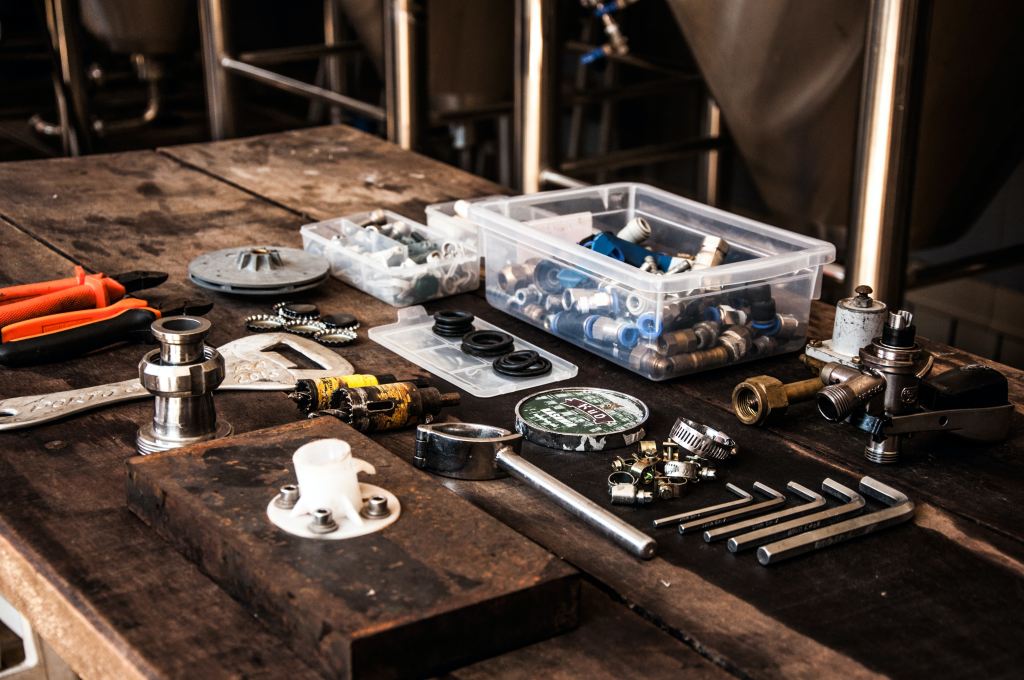
Whether to maintain or replace your tools of trade is a decision that holds significant importance for businesses across various industries. Ensuring that your tools and gear are in good working order is essential to prevent downtime and maintain operational efficiency. By carefully assessing the condition and performance of your equipment, you can make informed decisions that minimize disruptions, increase productivity, and save costs in the long run.
Importance of Tool Maintenance and Replacement:
1. Preventing Downtime: Well-maintained tools reduce the risk of unexpected breakdowns and equipment failures, which can lead to costly downtime. Regular maintenance, such as cleaning, lubrication, and calibration, keeps tools in optimal condition, minimising the chances of operational disruptions and delays.
2. Enhancing Safety: Tools that are in good working order contribute to a safer work environment. Malfunctioning or deteriorating equipment can pose serious safety risks, potentially causing accidents or injuries. Regular inspections and replacements help mitigate such hazards, prioritising the well-being of your workforce.
3. Improving Efficiency and Productivity: Properly maintained tools perform at their best, maximising efficiency and productivity. Sharpened cutting tools, calibrated measuring instruments, and well-functioning machinery enable employees to work more effectively, reducing wasted time and effort. Regular maintenance also extends the lifespan of equipment, delaying the need for costly replacements.
4. Cost-Effectiveness: Investing in regular maintenance and timely replacements can be more cost-effective than dealing with sudden breakdowns. Routine inspections and proactive repairs help identify small issues before they escalate, preventing expensive repairs or replacements in the future. By keeping your tools in good condition, you minimize the risk of additional expenses associated with repairs, emergency replacements, or missed deadlines.
Making Maintenance and Replacement Decisions:
1. Regular Inspections: Implement a schedule for routine inspections to identify signs of wear and tear, damage, or diminished performance. Evaluate the overall condition of each tool and determine if maintenance or replacement is necessary.
2. Manufacturer’s Guidelines: Consult the manufacturer’s recommendations regarding maintenance intervals and expected lifespan of the tools. Adhering to these guidelines can help you plan for replacements in a timely manner.
3. Performance Evaluation: Assess the impact of tool performance on workflow and productivity. Consider factors such as decreased efficiency, frequent breakdowns, or outdated technology. If tools are significantly hindering operations or falling behind industry standards, it may be time to replace them.
4. Cost-Benefit Analysis: Evaluate the cost of maintenance or repairs versus the cost of replacement. Consider factors such as repair frequency, downtime, and the potential for improved efficiency with newer equipment. Compare these costs to determine the most cost-effective option.
By maintaining and replacing tools of trade as needed, businesses can minimize downtime, improve productivity, and ensure a safer work environment. Regular maintenance safeguards against unexpected breakdowns, while timely replacements keep equipment up-to-date and efficient. Prioritising equipment management demonstrates a commitment to operational excellence, enabling businesses to thrive in a competitive landscape while minimising disruptions and maximising productivity.
 gearedgroup.com
Leave a comment